

Given the onslaught of daily news regarding the unprecedent changes to the historical landscape of our nation’s capital, it was vital that I see them firsthand. We are living through a moment that demands careful observation and honest accounts of the profound, and at times unsettling, transformations unfolding around us. My guiding principle remains what it has always been: History is Activism. To bear witness, to document, and to tell the truth as we see it is not separate from activism. It is one of its highest forms.
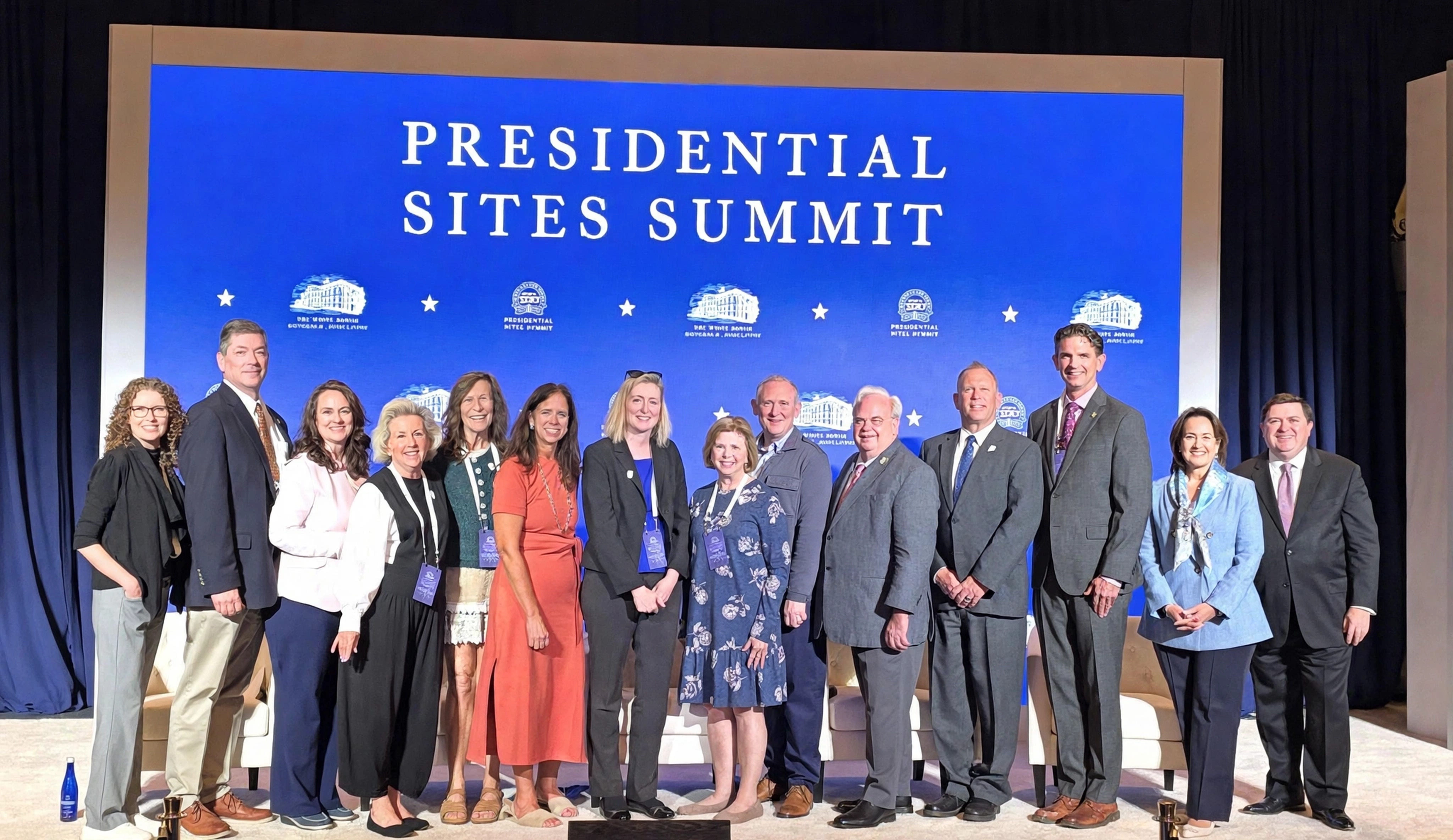
In September 2026, I was invited to participate in the Presidential Sites Summit, hosted by the White House Historical Association at the historic Mayflower Hotel in DC. The two-day Summit brought together leaders from presidential libraries, museums, historic sites, and related institutions from across the nation. As both an executive leader and an independent scholar of American presidential history, I found the Summit to be an exceptionally valuable professional and intellectual experience.
The Summit agenda emphasized three themes of relevance to contemporary nonprofit and cultural institutions: leadership development, fundraising and donor engagement, and the emerging role of artificial intelligence in organizational management and public history. Presentations and panel discussions explored strategies for cultivating effective leadership teams, strengthening philanthropic support, and leveraging AI technologies to improve operational efficiency, audience engagement, and historical interpretation. These sessions provided practical insights that will continue to inform my own professional work while raising important questions about the future of museums, archives, and educational organizations.
Beyond the formal presentations, the Summit offered several memorable special events. Participants attended a reception at the People’s House, the White House Historical Association’s innovative educational center, and enjoyed a performance at the historic Ford’s Theatre, a site forever associated with the tragic assassination of President Lincoln. These events reinforced the Summit’s overarching mission of connecting contemporary leadership with the preservation and interpretation of presidential history.
It was during the Summit that I officially joined the First Ladies Association for Research and Education (FLARE). The warm reception I received from the membership was truly meaningful, and I look forward to becoming engaged with such a welcoming group of like-minded individuals.
The big moment of the Summit was unquestionably a private reception at the White House hosted by First Lady Melania Trump. For a student of presidential history, opportunities to visit the Executive Mansion are always significant; however, this visit was particularly meaningful because it provided me with a rare opportunity to observe, firsthand, substantial changes occurring in real time to the White House complex and grounds.
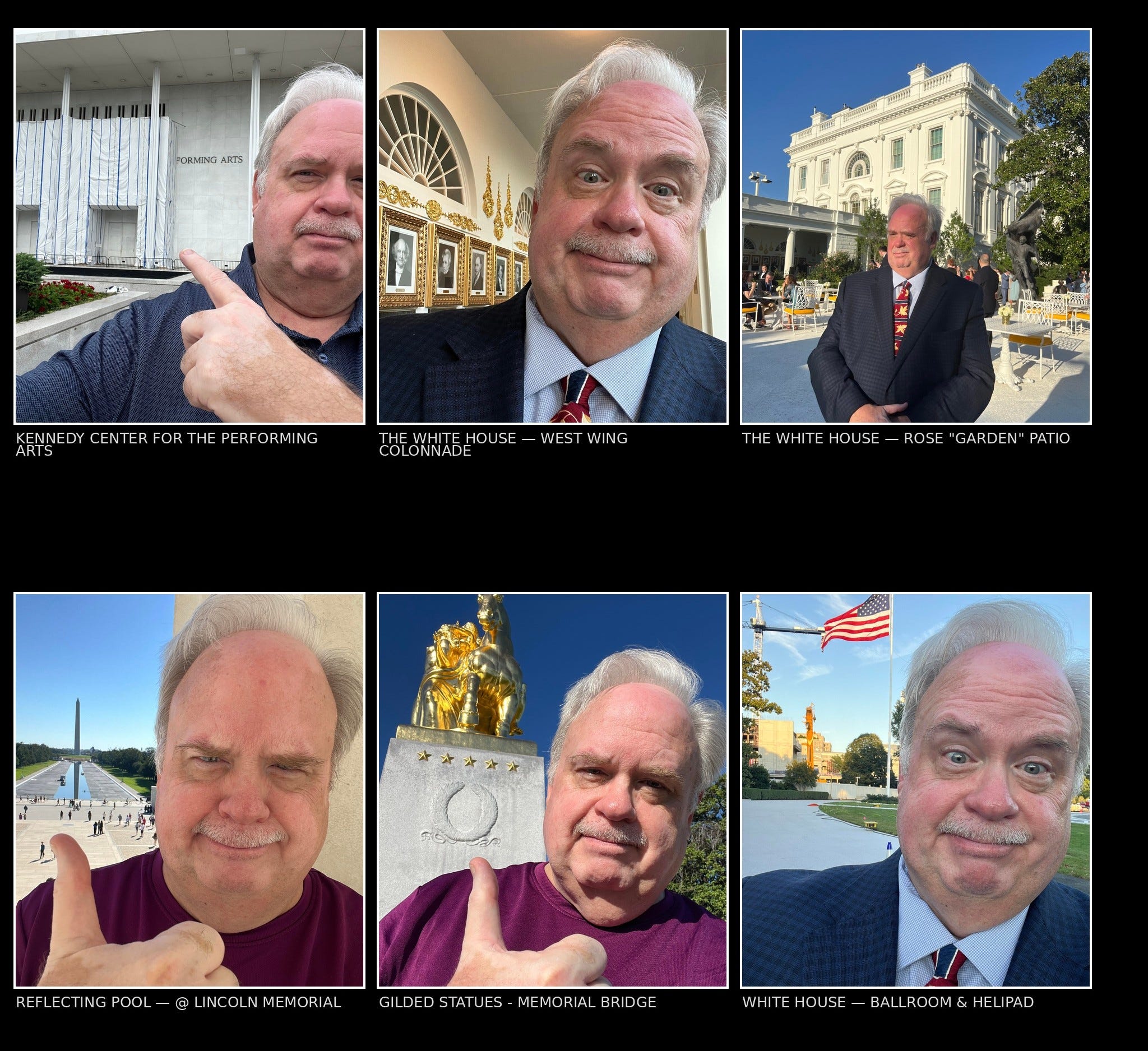
While many guests sipped wine and enjoyed seemingly sumptuous hors d’oeuvres, I remained laser-focused on the purpose that had brought me there. Recognizing the historical significance of the many changes to the White House, I carefully documented this visit, taking more than 600 photographs.
Throughout my career as a researcher, I have believed that scholars have an obligation to document change as it occurs, creating a record that future generations can use to better understand a particular moment in American history. In that spirit, I sought to capture both the physical alterations and the broader context surrounding them. Fortunately, my iPhone battery lasted long enough to complete the task.
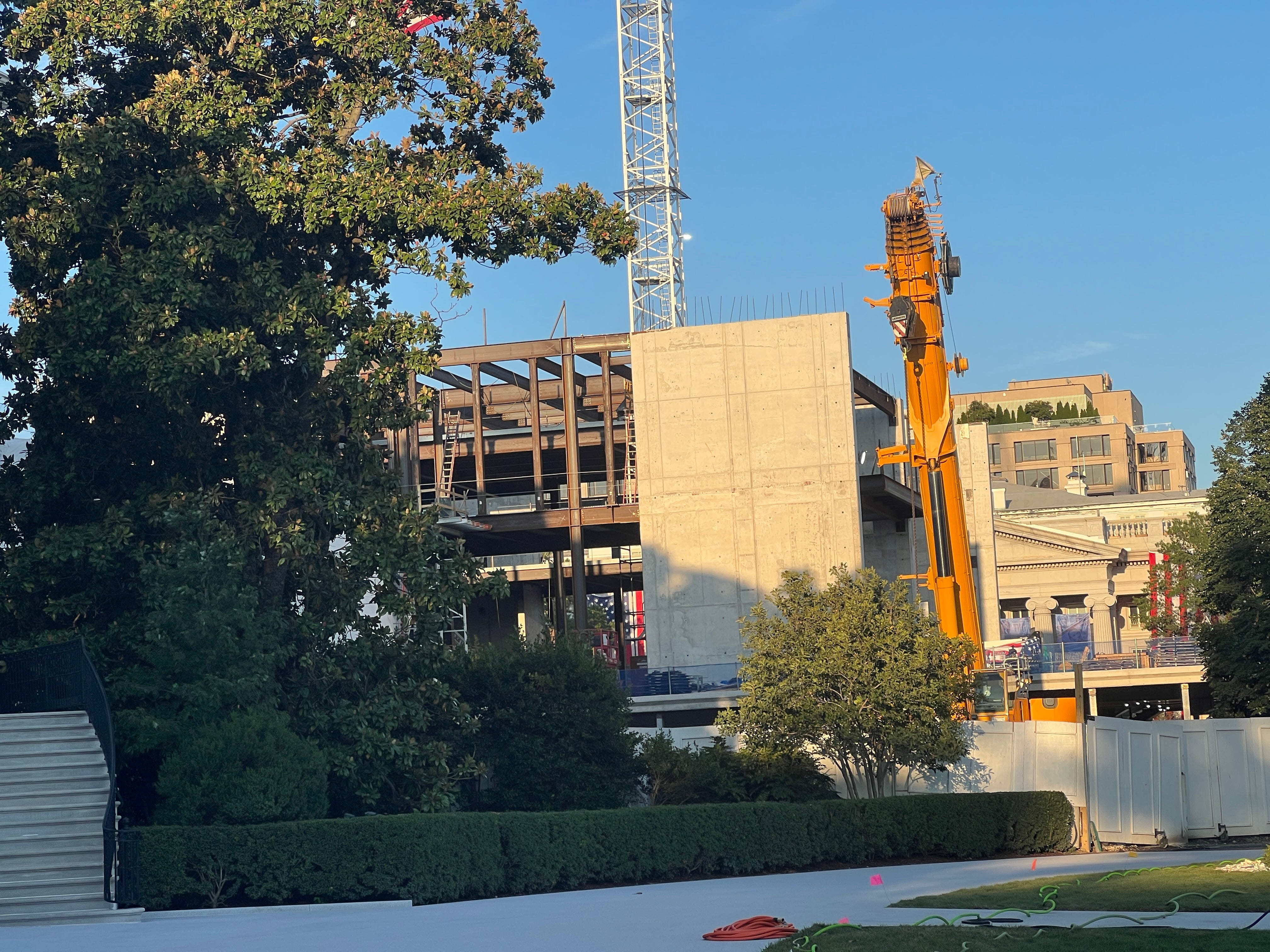
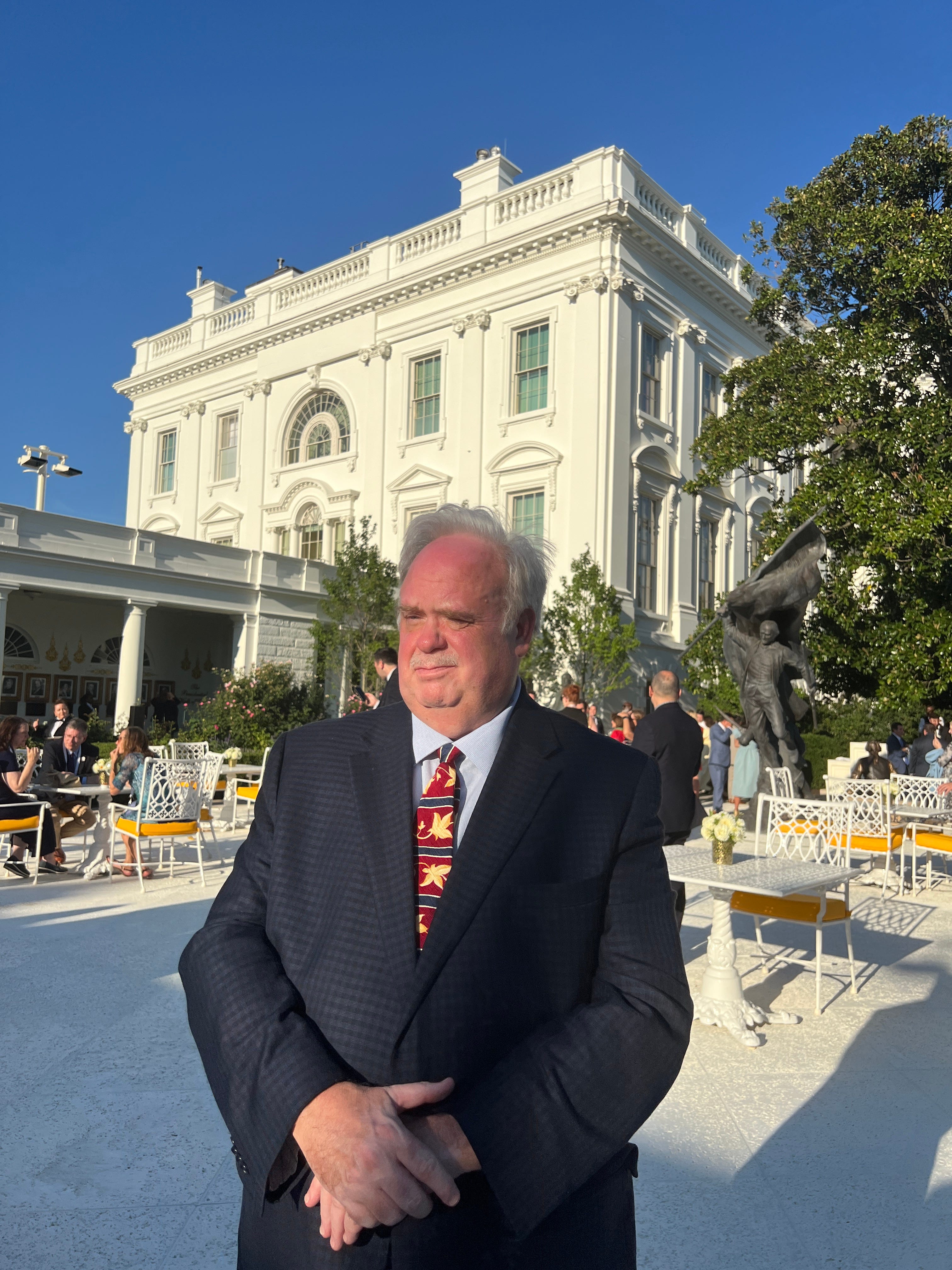
Among the most striking observations were the extensive and unprecedented modifications underway throughout the White House complex. These included the bulldozing of the traditional East Wing structure, construction activity associated with the massive new ballroom, the addition of a new expansive helipad and driveway, and significant alterations to the much-beloved Rose Garden, which now features a large, paved patio area and statues commemorating historical figures. I was also able to view the glammed up West Wing Colonnade and Palm Room (now finished in shiny marble).
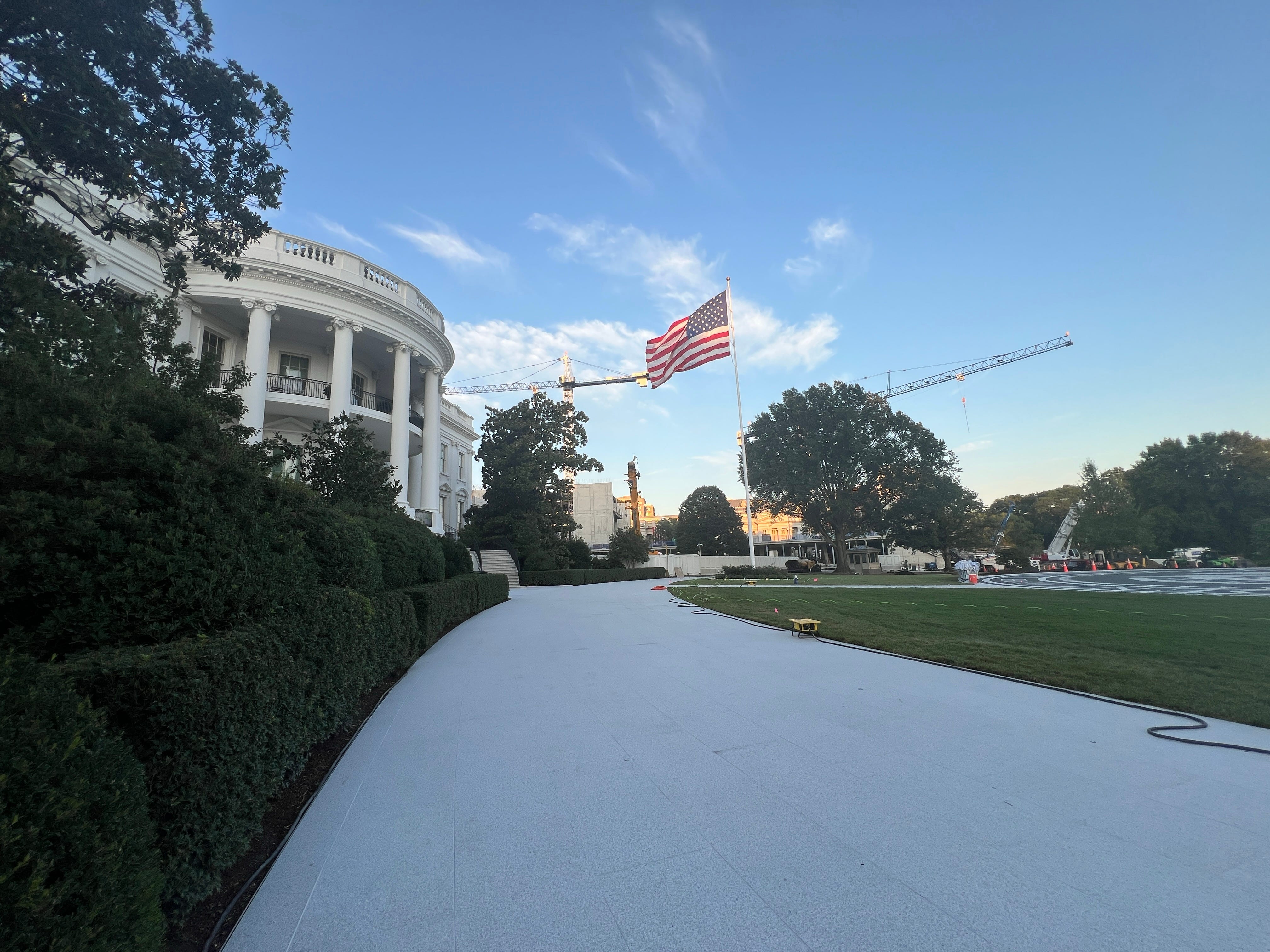
Seeing the West Wing Colonnade firsthand was, to say the least, a great deal to absorb. The gold embellishments, the partisan framing of presidential history, and the use of an autopen image to represent President Biden created an atmosphere that felt more performative than presidential. The stark glare reflecting off the new utilitarian Rose Garden patio, which has replaced Bunny Mellon’s iconic lawn and manicured planting beds, only reinforced that impression. The cumulative effect was impossible to ignore. I was left disappointed and deeply unsettled by the dramatic departure from the dignity and restraint traditionally associated with these spaces.
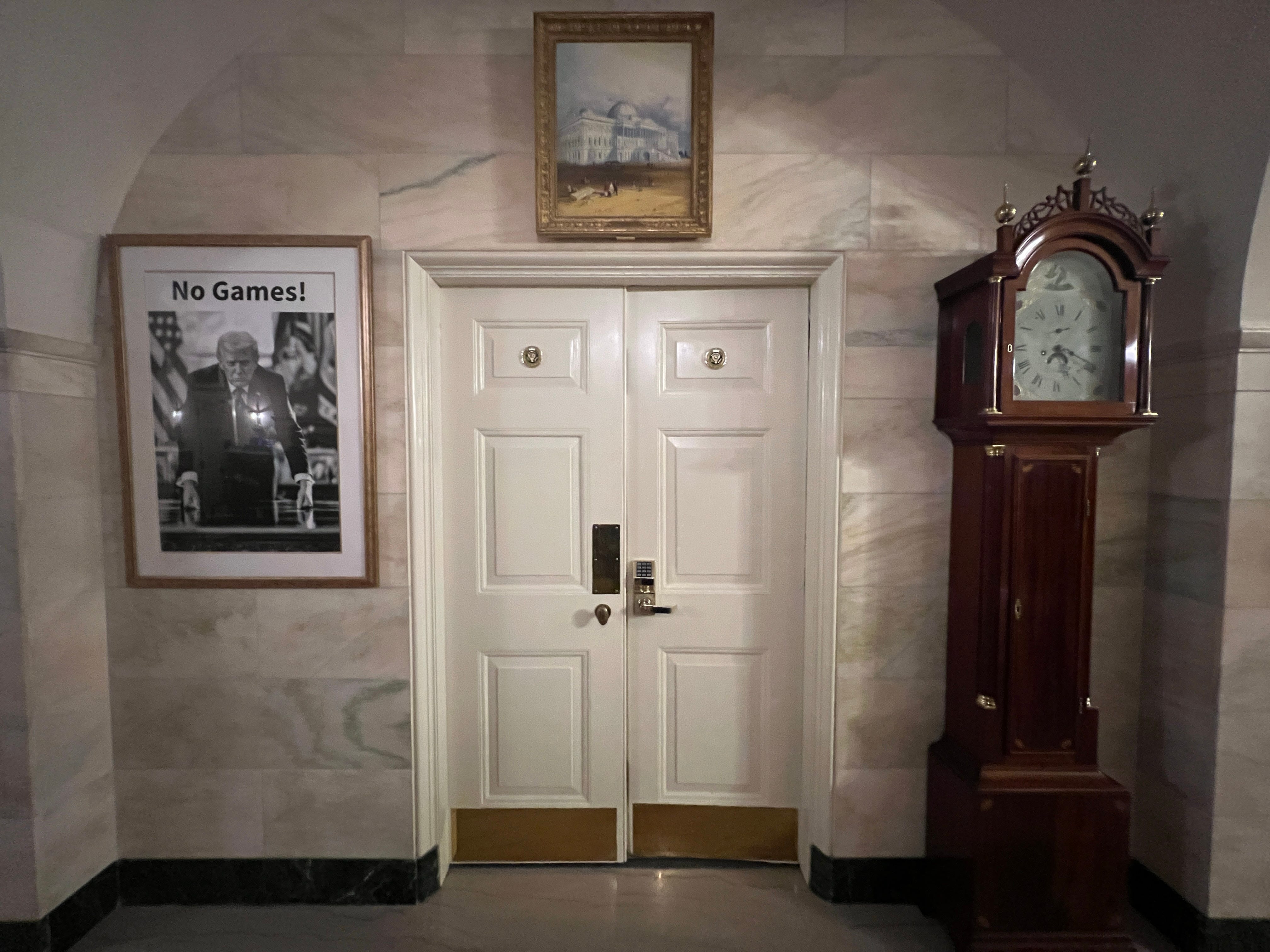
Once inside the White House, I lingered in the Ground Floor Corridor, the Map Room, and the Diplomatic Reception Room. Of special interest was the Ground Floor Corridor, where President Trump has installed numerous media photographs of himself and a portrait of his mother. From a historical perspective, this represented a notable departure from the display practices traditionally associated with previous presidential administrations. Whether one views such changes favorably or critically, they constitute part of the evolving historical record and deserve careful documentation.
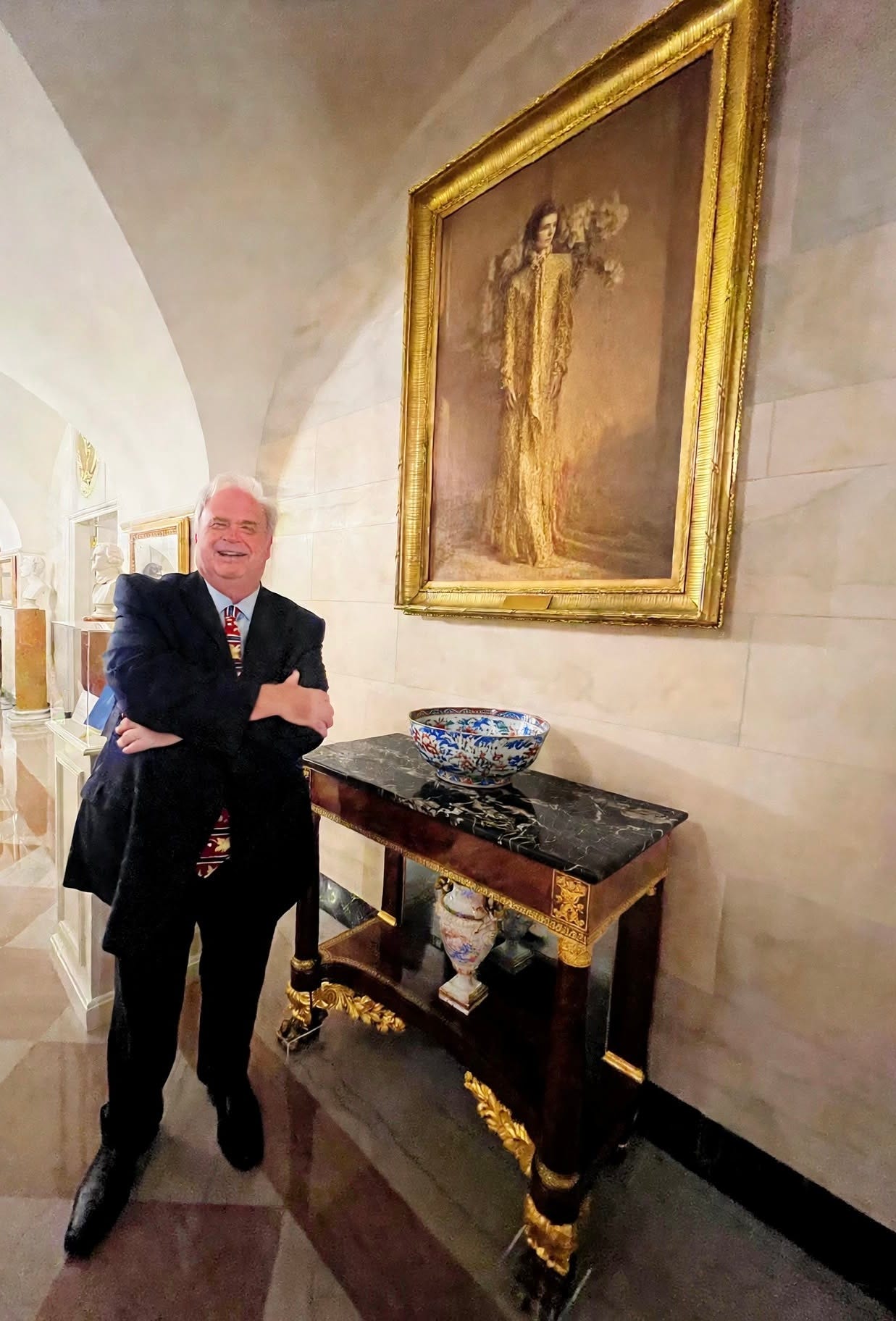
Thankfully, the iconic formal painting of Jacqueline Kennedy Onassis was displayed prominently in the Ground Floor Corridor. I had a true fan moment when the Director of the Kennedy Library asked if I would take her photograph beside it. I happily obliged, and in return she took a photo of me with this haunting depiction of Jackie. It was a brief but meaningful experience.
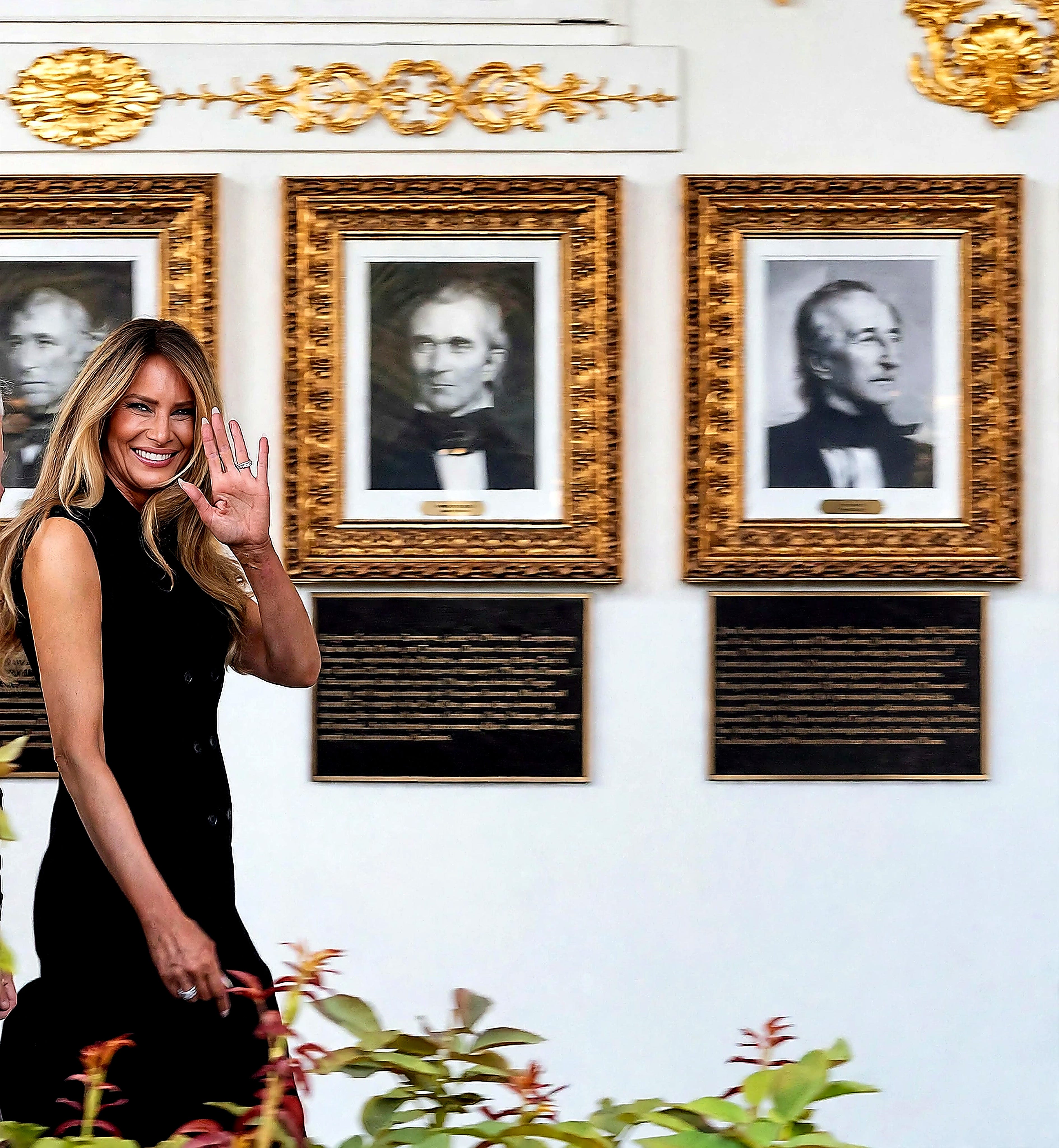
Although I have observed Mrs. Trump numerous times on television, it was still interesting to see her in person and hear her voice, with its thick Slovenian accent. While her welcoming remarks were gracious in tone, she made several errors in describing how she had discovered some “lost” wallpaper from the Kennedy era hidden in the upstairs President’s Dining Room.
Historians and preservation scholars in the audience knew that the wallpaper had never actually been lost. Rather, it had fallen out of favor with several previous First Ladies, who chose to cover the original antique Zuber paper (featuring battle scenes), and installed fabrics more to their personal taste. The historic wallpaper remained preserved beneath protective batting and, therefore, was hidden but never lost. Her telling of the alleged discovery made for a compelling story, but it was not accurate from a historical perspective. I observed several amusing eye rolls from colleagues.
As she returned to the Residence after her remarks, I lingered apart from the other guests, filming as she passed right in front of me. With no one else in sight, she gave me a brief wave. Whatever my political views, it remains one of those unexpected moments I’ll always remember from my time on hallowed White House ground.
The Summit also provided valuable opportunities for professional networking. Conversations with executive directors and senior leaders from presidential museums, libraries, and historic sites offered insight into the challenges and opportunities facing cultural institutions nationwide. Particularly meaningful were discussions with representatives of the Obama, Teddy Roosevelt, Kennedy and Lincoln presidential libraries, whose perspectives on preservation, interpretation, and public engagement contributed significantly to the Summit experience.
Outside of the Summit schedule, I devoted time to my ongoing scholarship concerning Jacqueline Kennedy Onassis and the legacy of the Kennedy administration. I held two strategic, off-the-record meetings with White House experts that advised me on my research. I valued their candor and their recognition that my work helps fill important gaps in Jacqueline’s story.
During this DC visit, I retraced portions of the funeral procession route that carried President John F. Kennedy from Washington to Arlington National Cemetery following his assassination in 1963. I visited the Kennedy gravesites to pay my respects and attended Mass at St. Matthew’s Cathedral, the site of President Kennedy’s funeral. These visits deepened my appreciation for the enduring impact of the Kennedy years on American political and cultural life.
I spent a morning at the Lincoln Memorial, exploring the new underground museum, a fascinating and thoughtfully executed addition that brings history to life through powerful exhibits highlighting iconic moments, including those associated with Dr. Martin Luther King Jr. and Marian Anderson.
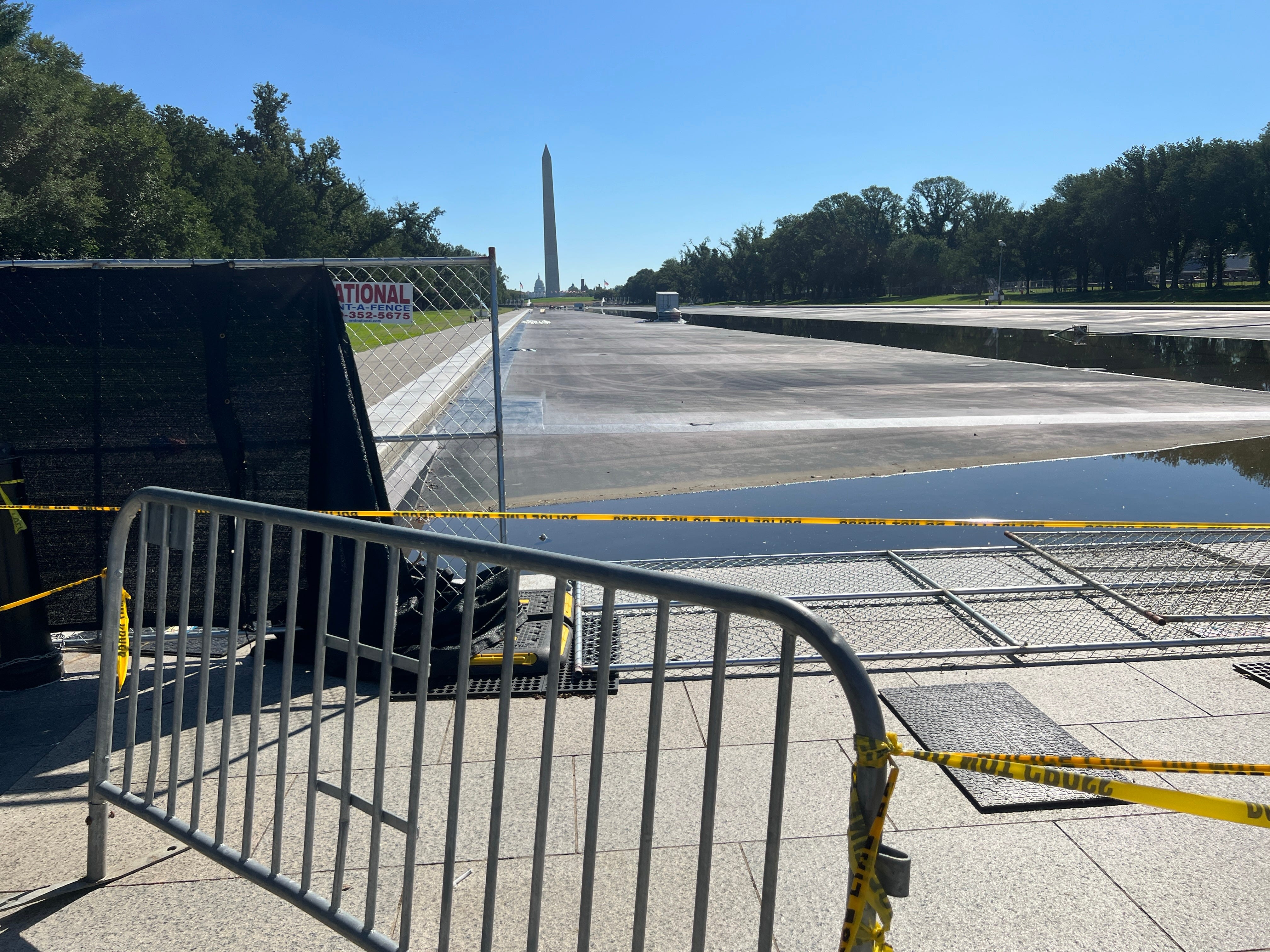
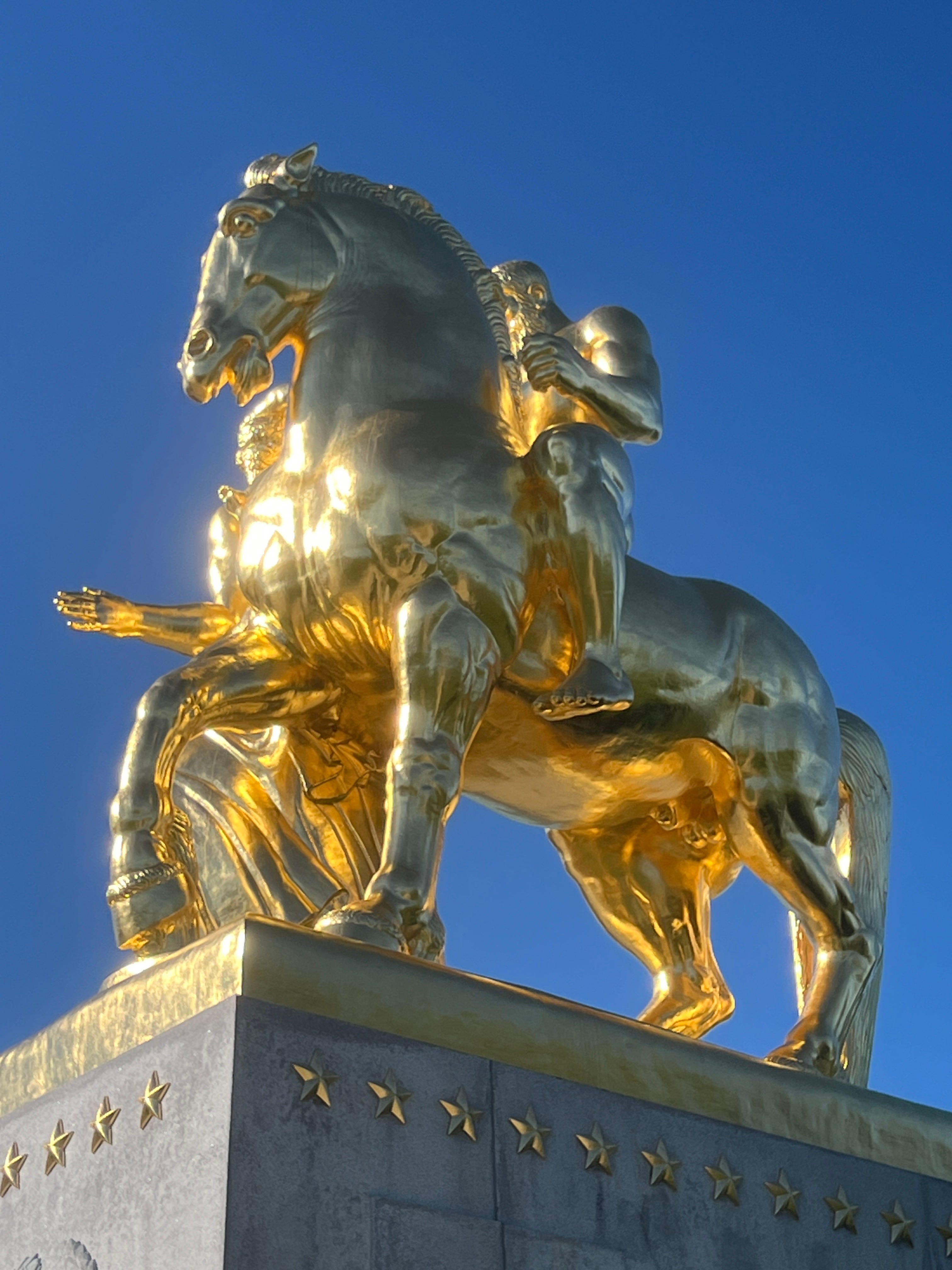
Standing there, I took in the gilded statues framing Memorial Bridge, walked to the edge of the Reflecting Pool, and examined the much-publicized “restoration” work. Seeing the project firsthand, it was difficult to reconcile the estimated $14 million price tag with the results. Judging by the comments of many fellow visitors, I was not alone in questioning the shameful criminal prosecutions and whether the costly expenditure represented the best use of taxpayer dollars.
Because the Summit was held at the Mayflower Hotel, I consulted the hotel’s historian about the Kennedy family’s connection to the property. As a congressman and senator, John Kennedy often attended events there. The hotel also hosted two inaugural events: a private family luncheon and one of the inaugural balls. I documented and photographed the rooms used for my research.
Related to my LGBTQIA+ historical research, I also learned about J. Edgar Hoover’s almost daily visits to the hotel for lunch, which featured a special salad dressing made just for him. How fancy!
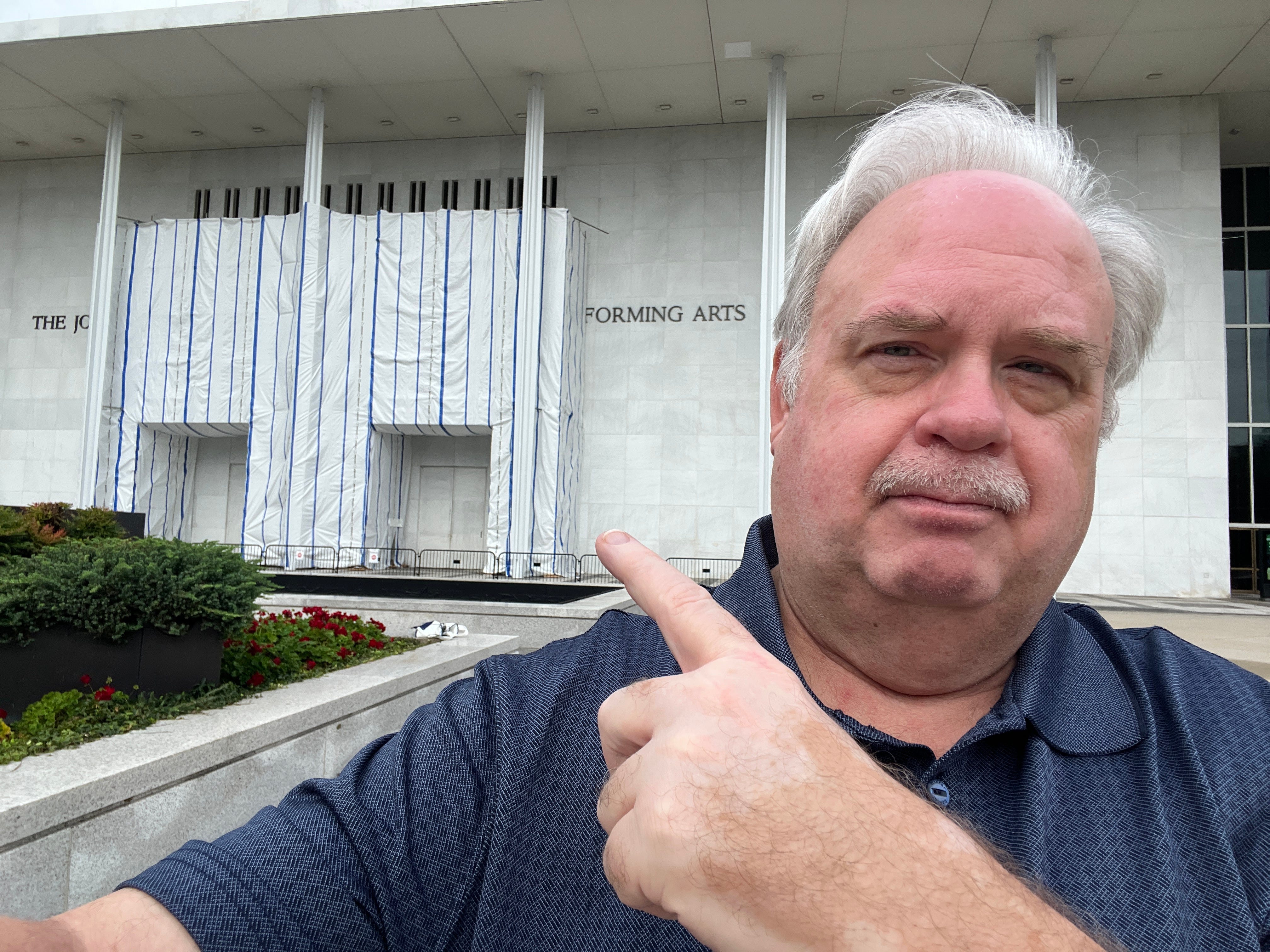
I also visited the John F. Kennedy Center for the Performing Arts, where I observed evidence of continuing controversy surrounding recent administrative and symbolic changes associated with the institution. What struck me most was the unusually quiet atmosphere. In contrast to previous visits, the center appeared largely empty, creating a stark and somewhat barren impression. Since returning home, the news about the Center grows more chaotic by each news hour.
Afterwards, I had lunch nearby and was seated next to a group of Mississippi National Guardsmen currently serving in Washington, D.C. While the sight of armed troops on city streets is still shocking, there was a general sense that they were simply fulfilling their assigned mission. Several older veterans approached them to express gratitude for their service, and the exchanges reflected a sincere sense of mutual respect.
No matter one’s personal views regarding the overwhelming changes to the DC landscape occurring under the Trump administration, I believe historians and researchers have a responsibility to observe, document, and analyze developments as objectively as possible. Historical scholarship is strengthened when researchers witness events firsthand rather than relying solely upon secondary interpretations. My goal throughout this visit was to create a contemporary record that may prove useful both to my own research and to future scholars seeking to understand this profound period in American history.
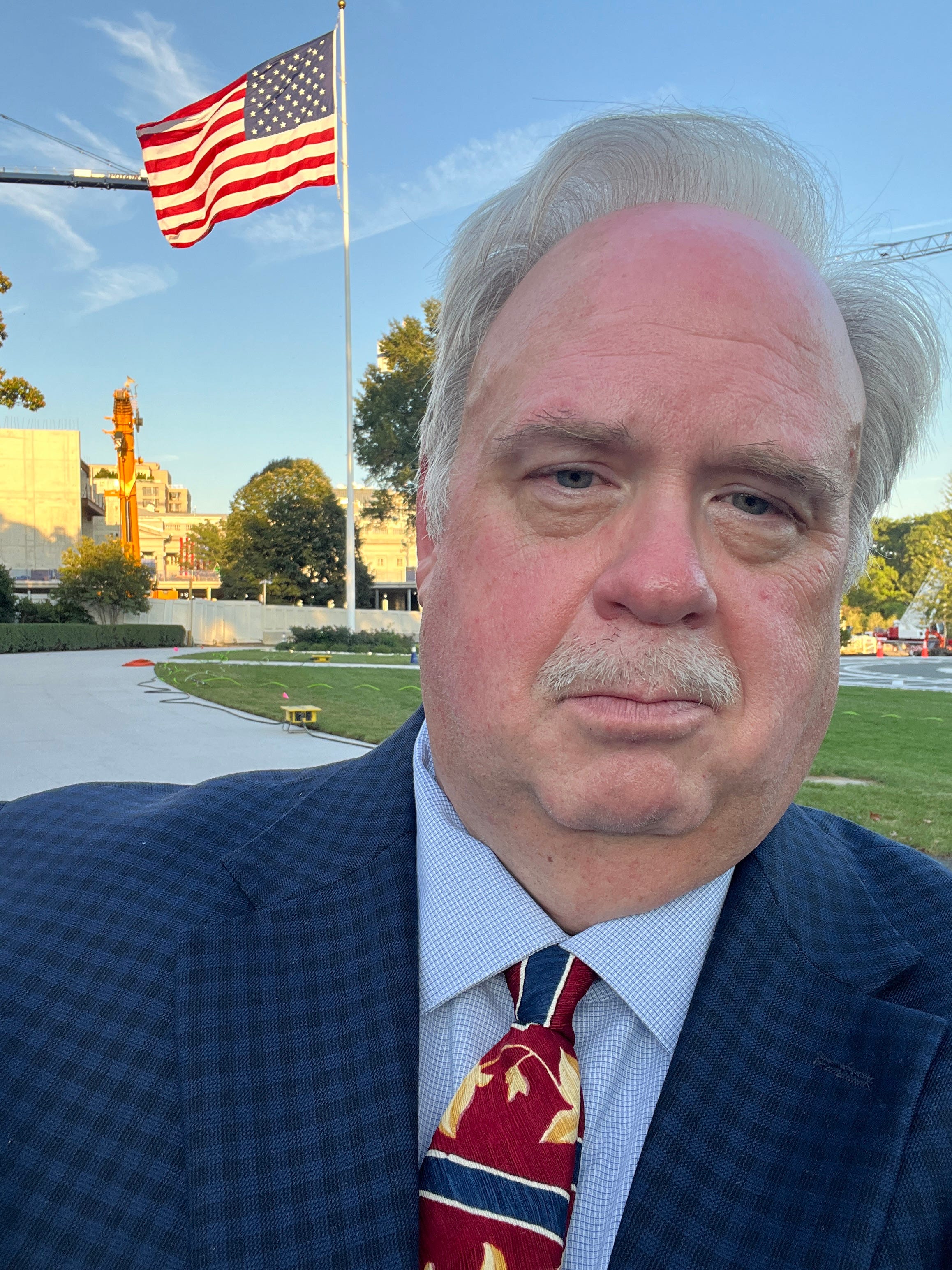
My relationship with DC stretches back five decades. I first visited the nation’s capital in 1977 and have returned many times since to conduct archival research, visit historic sites, and deepen my understanding of our nation’s history. The 2026 Presidential Sites Summit stands as one of the most informative and consequential of those visits. It combined professional development, scholarly research, and direct observation of significant changes unfolding within the nation’s most important historical and political landscapes.
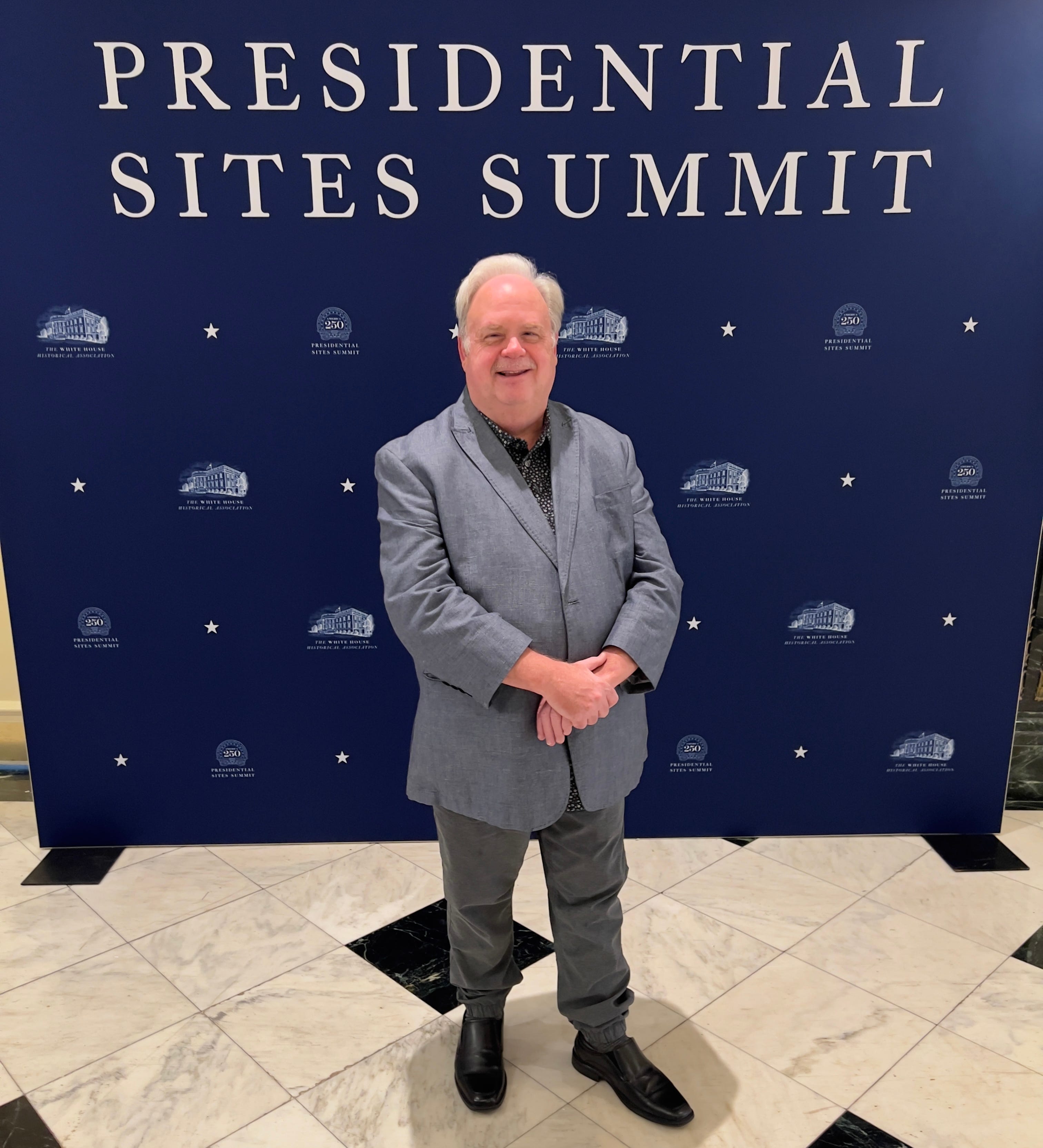
In that regard, the trip was an unqualified success. It provided not only valuable educational and networking opportunities, but also an important opportunity to document history in real time while contributing to an ongoing scholarly effort to preserve and interpret the evolving story of the American presidency.
As I left DC, I was reminded that history is never static. It is contested, revised, interpreted, and, at times, physically reshaped before our eyes. Given the constant flow of news surrounding these changes to the nation’s historical landscape, seeing them firsthand felt essential. Whatever conclusions one may draw, this moment deserves careful observation and honest documentation. My guiding principle remains what it has always been: History is Activism. To bear witness, to record what we see, and to share those observations in good faith is not merely an exercise in preservation. It is a responsibility. Our historical record is not written by spectators. It is written by those willing to pay attention.
What a fantastic article Steven. Be very proud. It was fair and objective and told with a keen eye.
Omg, what a picture of Melania! That’s one of those once in a lifetime photography moments. But I love the detail about the eye rolls … I needed that today 😅
From a personal viewpoint, what an incredible opportunity to see up close the radical (and some might say depressing) changes at the White House.
From an objective/professional viewpoint, what a fantastic opportunity to share your unbiased documentation of the experience. And I’m so happy that you collected more info for your presidential research!